


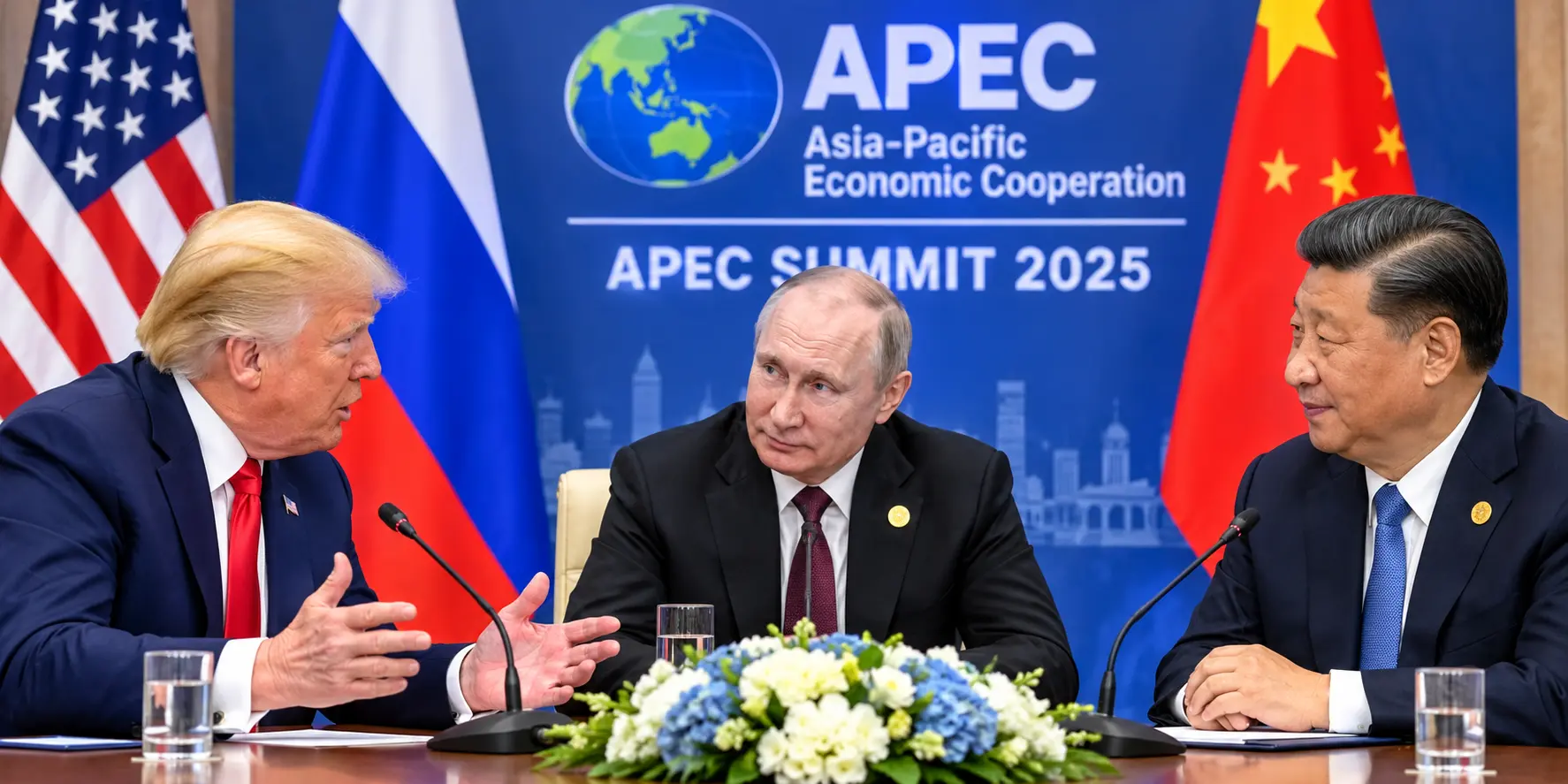
Trump sits down with Putin ahead of historic three-way talks with Xi APEC
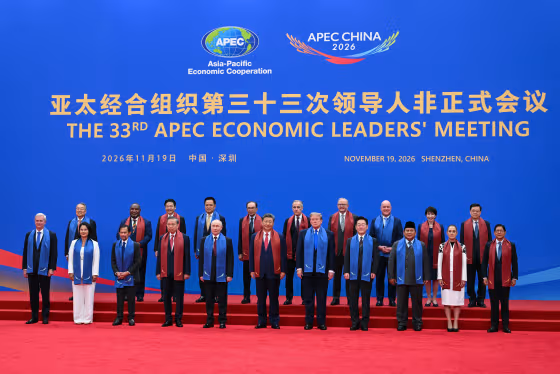
I’ll start with a small correction to the headline version of this story, because it changes how you read the rest. As of this morning, I couldn’t find a reliable report of a separate, private Trump–Putin sit-down. What did happen: Trump and Putin both landed in Shenzhen for the APEC summit, shook hands and appeared together at the leaders’ greeting, and a three-way meeting with Xi Jinping is scheduled for today, Thursday, November 19. Outcomes weren’t reported yet when I checked, so everything below is about what’s at stake, not what was decided.
Why this is a big deal, even before anything happens
Reporters keep calling this unprecedented, and for once the word fits. It’s a meeting of the leaders of the world’s three largest nuclear powers. One analyst quoted by Africanews noted that the last time Chinese, American and Russian leaders met like this was “80 some years ago.”
Sometimes the picture matters as much as the paperwork. Three leaders sharing a stage says something to the world about who is talking to whom. And you can already see how differently each of them wants that picture to land.
What each leader seems to want
Analysts quoted by Al Jazeera put it like this, and I’d treat these as informed guesses, not facts.
Trump is looking for a win he can take home. One analyst said he may leave with “something very symbolic,” and another described him as arriving “wounded domestically” after the midterms. Supporters would say that talking directly to rivals is exactly what a dealmaker does, and that a handshake that goes well is worth something. Critics would say a summit built around photos can substitute for substance.
Putin likely gains the most from the setting itself. A Brookings analyst called the meeting “a political coup” for him, since sitting beside the American and Chinese presidents works against the idea that Russia is isolated. Putin also wants to avoid the US sanctions bill being put into effect.
Xi is the host, and that matters. China wants room to pursue its goals without a return to tariff wars and without American pushback on Taiwan. Beijing has also repeatedly resisted American efforts to bring it into nuclear arms talks.
The agenda, and what’s missing from it
Here’s where it gets interesting.
Nuclear weapons. The New START treaty lapsed in February, and Trump wants a “new, improved and modernised” arms deal that includes China. It’s a reasonable ambition. With no treaty in force, there’s nothing formally limiting the two biggest arsenals, and China’s has been growing. The catch is that Xi is reportedly unenthusiastic. Trump himself has said that cutting stockpiles would be hard for all three countries.
Iran. The White House says Trump plans to raise the war with Iran. Trump has said he intends to “finish it off,” and he wants a deal.
Trade. The US–China truce has been extended to January 10, 2027, so there’s a clock ticking. Friction hasn’t gone away: rare earth exports are reportedly still about 75% below normal, and there are ongoing disputes over chips.
Ukraine. This is the awkward one. Administration officials said it wouldn’t be on the agenda, and Xi is reportedly reluctant to be drawn into what Beijing treats as a “European matter.” Trump, though, has said he’ll raise it anyway. Whether that turns into a real conversation is one of the main things to watch.
The person who isn’t in the room
The line that stuck with me is a concern attributed to Ukrainian President Volodymyr Zelenskyy: that major powers could end up discussing spheres of influence without Ukraine at the table.
You don’t have to take a side on the war to see why that lands. Decisions about a country made without that country in the room tend to feel very different to the people living with the consequences. Another analyst made the practical version of the point: Russia and Ukraine don’t trust each other, so any settlement eventually has to involve them talking directly.
Supporters of the summit would answer that you can’t end a war involving nuclear powers without the other nuclear powers in the conversation, and that talking is better than not talking. Both things can be true.
So what should we expect?
Most analysts I could find expect very little in concrete terms. A Brookings scholar predicted a “superficial exchange,” where signaling matters more than substance. One trade analyst, Deborah Elms, said a handshake “without incident” would count as a win.
I find that oddly honest. When the bar is “nobody storms out,” you’re being told something about the state of relations between these three countries.
There’s also a more hopeful reading, voiced by one Chinese scholar: that the meeting could begin to build a “consensus” on peace, even if a breakthrough is unlikely. Early meetings between rivals often produce nothing visible and still matter, because they establish that a channel exists.
What I’d watch for
- Any language on nuclear arms. A vague statement about “continued dialogue” is very different from an agreed framework. The difference tells you whether China is actually engaging.
- Whether Ukraine comes up, and who speaks for it. Watch for what Zelenskyy and European leaders say afterward.
- Trade signals before January 10. Any movement on rare earths or chips would be the most practical outcome for ordinary businesses.
- How each government describes the meeting. Readouts often differ revealingly. If the three accounts barely resemble each other, that’s information too.
The human bit
It’s easy to read all this as chess pieces moving. But the questions underneath are very human ones. Will the arsenals that can end the world stay uncontrolled? Will a war grinding on in Europe get closer to an end? Will the trade tensions that raise prices and cost jobs settle down?
Nobody in that room will solve those over a single afternoon, and I’d be wary of anyone, on any side, who tells you this meeting either saved the world or doomed it. What it can do is show whether three very different governments are willing to keep talking. That’s a low bar, and for now it’s the realistic one.
I’ll be reading the readouts later like everyone else. If something major comes out of it, this post will need an update.
This post summarizes publicly reported coverage and analyst opinion from before the talks concluded. It doesn’t reflect outcomes.
Sources:
- Al Jazeera: What do Trump, Putin and Xi want from their Shenzhen meeting?
- Africanews: Xi, Trump and Putin prepare for unprecedented meeting at APEC summit in China
- Fox News live updates: Trump to meet Xi in Shenzhen ahead of trilateral talks with Putin
- CNN live coverage (headline only; the page couldn’t be read)