



In a major shift that could redefine the artificial intelligence (AI) industry, OpenAI has officially ended its exclusive partnership terms with Microsoft. This move opens the door for new strategic collaborations with cloud giants like Amazon and Google, signaling a new era of competition and flexibility in the AI ecosystem.
The decision marks one of the most significant structural changes in the AI landscape since the rise of generative AI tools like ChatGPT. It reflects not only evolving business priorities but also the growing demand for scalable infrastructure and diversified partnerships in the race for AI dominance.
The End of Exclusivity: What Changed?
For years, Microsoft enjoyed a privileged position as OpenAI’s exclusive cloud and technology partner. This meant that OpenAI’s models and services were primarily distributed through Microsoft’s Azure cloud platform, giving Microsoft a significant competitive edge in the AI race.
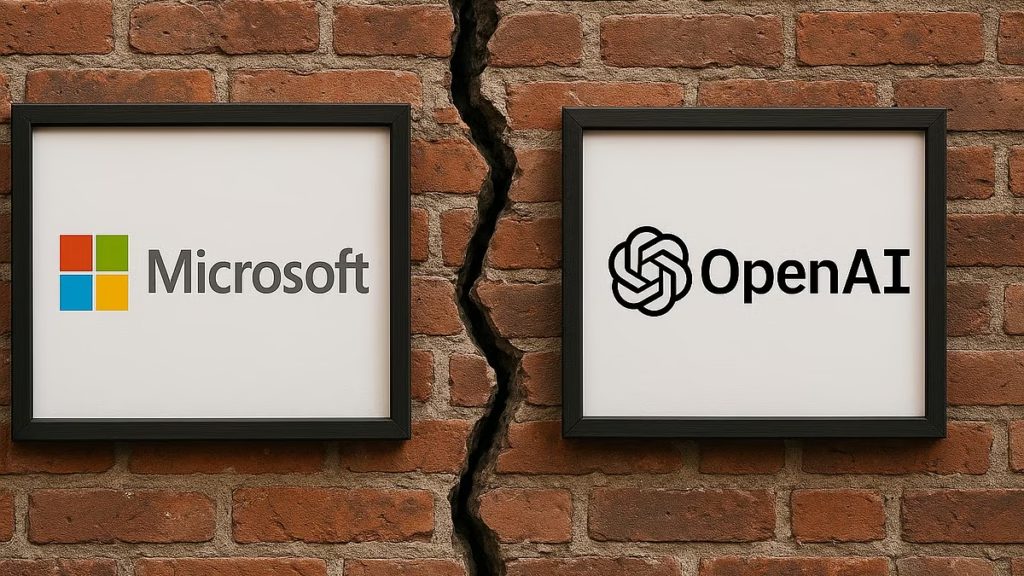
However, under the revised agreement announced in April 2026, Microsoft will no longer have exclusive access to OpenAI’s technology. Instead, OpenAI is now free to offer its AI models and services across multiple cloud platforms, including Amazon Web Services (AWS) and Google Cloud.
Despite this shift, Microsoft is not being pushed out entirely. The company will remain OpenAI’s primary cloud partner and will continue to have access to its technology through at least 2032.
Another key change is financial: Microsoft will no longer pay a revenue share to OpenAI, although some capped financial arrangements will continue until 2030.
Why OpenAI Made This Move
1. Scaling Infrastructure Needs
As AI models become more powerful, they also require massive computing resources. Relying solely on one cloud provider limits scalability. By opening its ecosystem, OpenAI can tap into the infrastructure of multiple cloud giants, ensuring better performance, redundancy, and global reach.
Recent developments highlight this need. OpenAI has already explored partnerships involving tens of billions of dollars in cloud investments, particularly with Amazon.
2. Reducing Strategic Dependence
OpenAI’s deep reliance on Microsoft had increasingly been viewed as a potential risk. By diversifying partnerships, the company gains greater independence and negotiating power.
Industry analysts note that this move aligns with OpenAI’s long-term ambitions, including a possible IPO. Greater autonomy makes the company more attractive to investors and reduces the risks associated with over-dependence on a single partner.
3. Unlocking New Revenue Streams
Opening access to multiple cloud platforms allows OpenAI to significantly expand its customer base. Enterprises that prefer AWS or Google Cloud can now integrate OpenAI’s models without being tied to Microsoft’s ecosystem.
This shift effectively transforms OpenAI from a semi-exclusive partner into a broader platform provider, similar to how software companies scale across multiple ecosystems.
Rising Tensions Behind the Scenes
The decision didn’t come out of nowhere. Over the past year, tensions between OpenAI and Microsoft had been building.
Reports indicate that Microsoft even considered legal action over a massive OpenAI-Amazon cloud deal, which it believed could violate existing agreements.
At the same time, OpenAI was actively exploring partnerships beyond Microsoft, signaling its intention to break free from exclusivity constraints. These developments made a restructuring of the partnership inevitable.
What This Means for Microsoft
While Microsoft loses its exclusive advantage, it still retains several strategic benefits:
- Primary cloud partner status
- First access to OpenAI innovations via Azure
- Long-term licensing rights to OpenAI technology
However, the loss of exclusivity reduces Microsoft’s unique positioning in the AI market. Investors reacted quickly, with Microsoft’s stock dipping slightly following the announcement.
In response, Microsoft has been accelerating its own AI initiatives, including developing in-house models and partnering with other AI firms like Anthropic.
Amazon and Google: The Biggest Winners?
The biggest beneficiaries of this shift could be Amazon and Google.
Amazon’s Growing Role
Amazon has already been deepening its relationship with OpenAI through large-scale investments and cloud agreements. With exclusivity removed, AWS can now fully integrate OpenAI’s models into its ecosystem, strengthening its position in enterprise AI.
This could also enhance Amazon’s AI offerings across products like Alexa and enterprise services.
Google’s Strategic Opportunity
For Google, the change removes a major barrier. Previously, exclusivity with Microsoft limited OpenAI’s ability to collaborate with Google Cloud.
Now, Google has a chance to bring OpenAI’s models onto its platform, potentially boosting its competitiveness against both Microsoft and Amazon in the cloud AI market.
A Broader Shift in the AI Industry
This development reflects a larger trend: the AI industry is moving away from closed, exclusive partnerships toward more open and flexible ecosystems.
As AI becomes a foundational technology across industries, companies are prioritizing:
- Interoperability across platforms
- Multi-cloud strategies
- Faster innovation cycles
The OpenAI-Microsoft restructuring is a clear example of how even the strongest partnerships must evolve to keep pace with rapid technological change.
What’s Next for OpenAI?
With its new flexibility, OpenAI is well-positioned for rapid expansion. Key areas to watch include:
- Multi-cloud AI deployment strategies
- Enterprise AI adoption across industries
- Potential IPO developments
- New partnerships with global tech leaders
The company’s ability to balance multiple partnerships while maintaining innovation will determine its long-term success.
Conclusion
OpenAI’s decision to end Microsoft exclusivity marks a turning point in the AI industry. While Microsoft remains a critical partner, the shift toward a more open ecosystem allows OpenAI to collaborate with Amazon, Google, and others—unlocking new growth opportunities and reshaping competitive dynamics.
For businesses and developers, this means greater access, flexibility, and choice in how they use AI technologies. For the tech giants, it signals intensifying competition in a market that is rapidly becoming the backbone of the digital economy.
As the AI race accelerates, one thing is clear: exclusivity is giving way to collaboration—and the future of AI will be built across platforms, not within silos.