



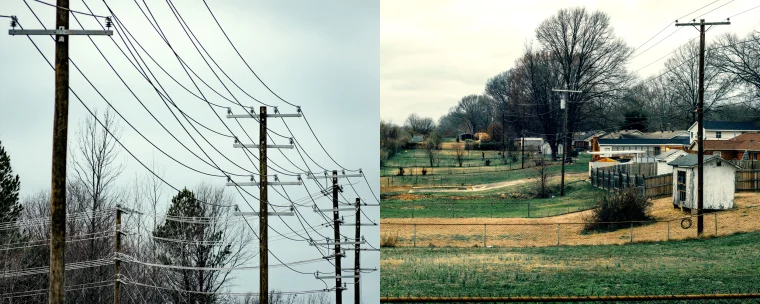
In the quiet rural expanse of Southaven, Mississippi, a new kind of industrial roar has replaced the chirping of birds and gentle summer breezes. Residents living near a once-quiet road now wake to the thunderous sound of gas turbines — the heartbeat of what’s being described as a makeshift power plant built to fuel Elon Musk’s rapidly expanding xAI data center.
To many locals, the impact has been immediate and profound. “It sounded like an airport runway opened up one morning,” one long-time resident recalled, trying to make sense of the unrelenting noise that has upended daily life. Nights are restless, houses shake with vibration, and the serenity that once defined the community has all but vanished.
From Idle Site to AI Powerhouse
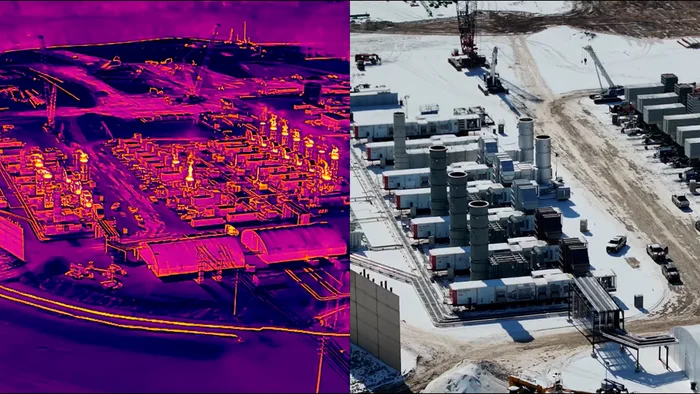
The story began when xAI, the artificial intelligence company founded by Elon Musk, acquired a dormant power plant site in north Mississippi and installed 27 temporary methane-gas turbines on trailers to supply electricity to its nearby data operations. This ad hoc energy solution — essentially a mobile power grid — was meant to be a stopgap as Musk’s company prepares for larger data center operations in the region.
These turbines, which produce noise likened to that of jet engines running day and night, are intended to support massive AI computing needs — including training and operating large-scale AI systems that demand enormous amounts of electricity.
Communities Caught in the Crossfire
While Silicon Valley and global tech hubs race to build and power AI infrastructure, the toll on small communities like Southaven has sparked fierce local opposition.
For neighbors like Eddie Gossett, the discomfort is both physical and emotional. At 76, Gossett says the constant drone of turbines has disrupted his sleep and made normal life unbearable. “Hell, I couldn’t give my house away with all this noise,” he complained, painting a stark picture of how technology’s advance can clash with residents’ quality of life.
Another resident, Taylor Logsdon, notes that her children have struggled with sleep since the turbines began operating, and even her dogs have been unsettled by the noise. These stories underscore the issue’s human dimension — this is not just a technical or regulatory controversy, but a deeply personal one.
Environmental and Health Concerns
Beyond noise, there are growing environmental and health concerns tied to the plant’s emissions. Temporary gas turbines emit nitrogen oxides, particulate matter, and other hazardous substances that can contribute to smog and respiratory illnesses. Critics argue that extensive pollution controls — standard in many traditional power plants — are absent here, leaving residents exposed.
Civil rights and environmental groups, including the NAACP, have accused xAI of violating environmental laws by operating these turbines without the necessary permits under the Clean Air Act. They point to similar controversy in Memphis, where turbines powering xAI’s first large AI data center were found to be operating without initial permits, sparking legal and regulatory scrutiny.
A public hearing hosted by Mississippi regulators in February became a forum for heated debate, with hundreds of locals turning out to express their alarm. The concerns are not only about noise and air quality but also about whether communities — particularly those with significant Black populations — are being treated as sacrifice zones where economic investment comes at the expense of health and serenity.
The Economic Promise vs. Local Costs
To be sure, the xAI project brings a promise of economic growth. The company has pledged what local leaders call an unprecedented investment — over $20 billion to build a massive data center known as MACROHARDRR, expected to create jobs and generate tax revenue for the region. Mississippi’s governor hailed the development as the state’s largest private investment ever.
City officials and supporters argue that the project will diversify the local economy and position the region as a tech hub. Proponents point out that AI infrastructure projects like this attract high-paying jobs, increase demand for ancillary services, and can revitalize communities historically reliant on manufacturing or other declining industries.
Yet for many neighbors, the economic benefits do not outweigh the costs. “The scale, the speed, the intensity of this expansion are unlike anything this area has absorbed,” one Southaven native said during the public hearing. The sentiment reflects a broader tension: residents want jobs and growth, but not at the expense of their physical comfort and environmental safety.
A Broader Reflection of the AI Era
What’s unfolding in Southaven highlights wider questions about how AI — and the infrastructure that powers it — should be deployed responsibly. Data centers and AI facilities require extraordinary amounts of energy, and conventional power grids often struggle to meet that demand without resorting to fossil fuels or emergency power solutions like gas turbines.
The clash in Mississippi is emblematic of a global challenge: balancing innovation with sustainability and community well-being. As AI scales up, so too does the need for transparent planning, environmental oversight, and meaningful engagement with communities that host these massive facilities.
Looking Ahead
For Southaven residents, the next few months could be critical. Regulators are reviewing permit applications for permanent turbines, and legal actions may proceed if civil rights and environmental groups move forward with their suits. Amid all this, the residents’ message is clear: technological progress should not drown out the voices of the people who live beside it.
Only time will tell whether compromises can be reached — whether xAI and regulators can address legitimate concerns about noise, pollution, and community impact — or whether this controversy will become another chapter in the ongoing debate over how we build the future of computing. The story of Southaven, Mississippi is far from over, but it stands as a sobering reminder that innovation must not come at any cost.