



When Nature Disrupts the Skies: Air India & Akasa Cancel Flights After Ethiopian Volcano Eruption
In a dramatic turn of events, major Indian airlines Air India and Akasa Air have grounded several flights — not due to a technical fault or strike, but because of a volcanic eruption half a world away.
What Happened: The Eruption
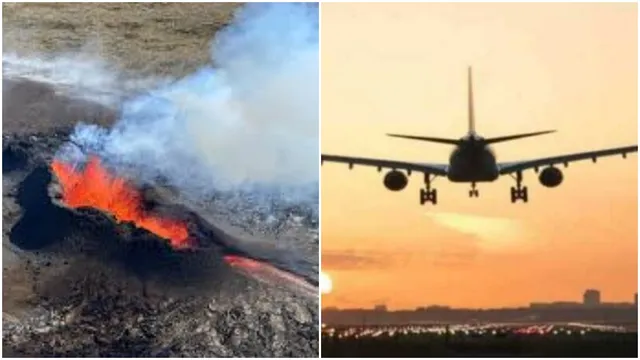
- On 23 November 2025, the Hayli Gubbi volcano in Ethiopia’s Afar region erupted for the first time in recorded history, sending a massive plume of ash soaring up to 14 kilometers into the sky.
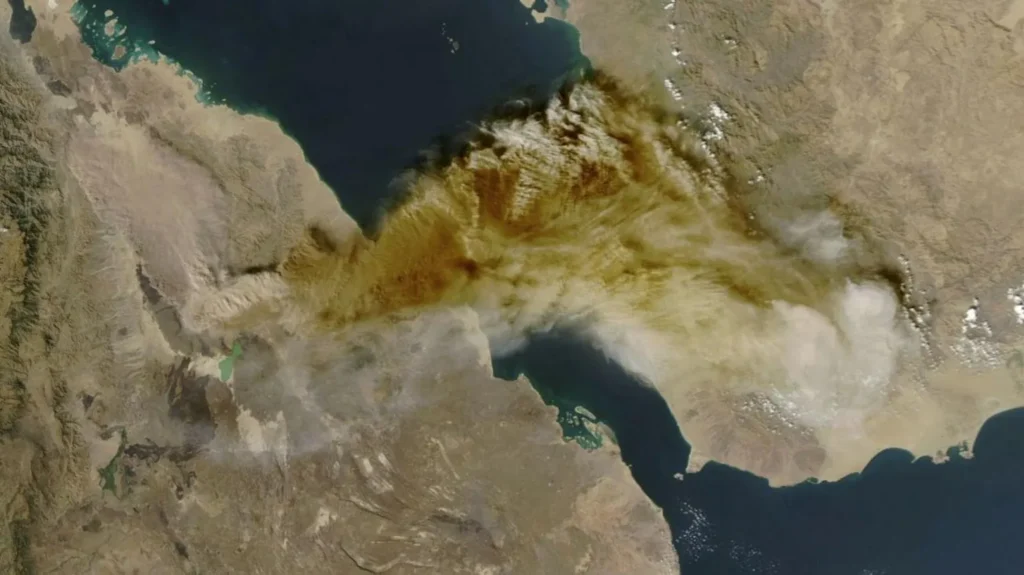
- This volcanic ash cloud didn’t stay put; it drifted eastward across the Red Sea and into parts of the Middle East, eventually making its way toward India.
- According to the India Meteorological Department (IMD), the ash cloud was expected to clear Indian airspace by around 7:30 pm IST on Tuesday.
Airline Response: Safety First
Air India
- The airline canceled 11 flights on Monday and Tuesday as a precautionary measure.
- These cancellations were primarily for inspection of aircraft that may have flown through or near the affected airspace.
- Some of the canceled routes included both domestic (e.g., Chennai–Mumbai, Hyderabad–Delhi) and international (e.g., New York–Delhi, Dubai–Hyderabad) flights.
- Air India emphasized that passenger safety is a top priority. Their ground teams are working to rebook or assist affected travelers, including arranging accommodation where needed.
Akasa Air
- Akasa canceled flights scheduled for 24–25 November to Gulf destinations such as Jeddah, Kuwait, and Abu Dhabi.
- The airline said its “teams will continue to assess the situation in compliance with international aviation advisories and safety protocols.”
- Passengers on affected flights were offered full refunds or rebooking options.
Regulatory Action: DGCA’s Advisory
The Directorate General of Civil Aviation (DGCA) in India intervened quickly:
- It issued an urgent operational advisory asking airlines to avoid volcanic-ash-affected areas and altitudes.
- Airlines are also required to adjust flight planning, routing, and fuel loads based on the latest updates about the ash cloud.
- Post-flight, any aircraft suspected to have flown through the ash region must undergo thorough inspections of engines, airframes, and other critical systems.
- Furthermore, airports must inspect runways, taxiways, and aprons if there is a risk of ash contamination.
The Risk: Why Volcanic Ash Is Dangerous for Aircraft
Volcanic ash is more than just an atmospheric nuisance. For aviation, it’s a serious hazard:
- The particles are abrasive and can erode engines, especially turbine blades.
- Ash can melt in hot engine parts, then solidify and block airflow, leading to engine failure.
- It can also interfere with sensors, damage windshields, and contaminate aircraft systems.
- Inside the cabin, even small traces of ash can reduce visibility, and cause smoke, odor, or health discomfort to passengers and crew.
Broader Impact: Disruption Across Airspace
- The ash cloud initially moved over Yemen and Oman, regions that are key for many international flight corridors.
- It then crossed into northern India, with forecast models showing possible influence over Gujarat, Rajasthan, Delhi-NCR, Punjab, and Haryana.
- The IMD noted that while the ash cloud could affect air quality, the risk of ground-level ashfall in India was relatively low.
Passenger Considerations
If you’re a traveler, here are some practical takeaways:
- Check flight status: If you have a booking with Air India or Akasa (or other airlines), verify your flight status directly with the airline or through their app/website.
- Know your rights: With cancellations, airlines are offering refunds or rebooking — make sure to understand their policy.
- Stay updated on advisories: Volcanic ash events are unpredictable. Keep an eye on updates from aviation authorities (DGCA, IMD) and your airline.
- Travel insurance: If you have travel insurance, check the fine print to see if you’re covered for disruptions caused by volcanic activity.
Why This Matters:
- Global Aviation Risk: This event is a reminder that even distant natural events — like a volcano in Africa — can ripple through global aviation routes and affect airlines halfway across the world.
- Regulatory Vigilance: The DGCA’s swift response underscores how regulators rely on real-time data (satellite imagery, weather models) to protect air travellers.
- Climate & Safety Link: Volcanic eruptions are rare but powerful. In a world where climate and geological disruptions are becoming more prominent, aviation systems must stay resilient.
Final Thoughts
The cancellation of flights by Air India and Akasa is a clear example of how airlines and regulators prioritize safety over schedule. When confronted with the unpredictability of nature, especially something as volatile as volcanic ash, caution is not just recommended — it’s mandatory.
While the immediate disruption is inconvenient for passengers, these precautionary checks and reroutings help prevent far more serious consequences. In aviation, preparedness often makes the difference between a safe trip and a crisis.