



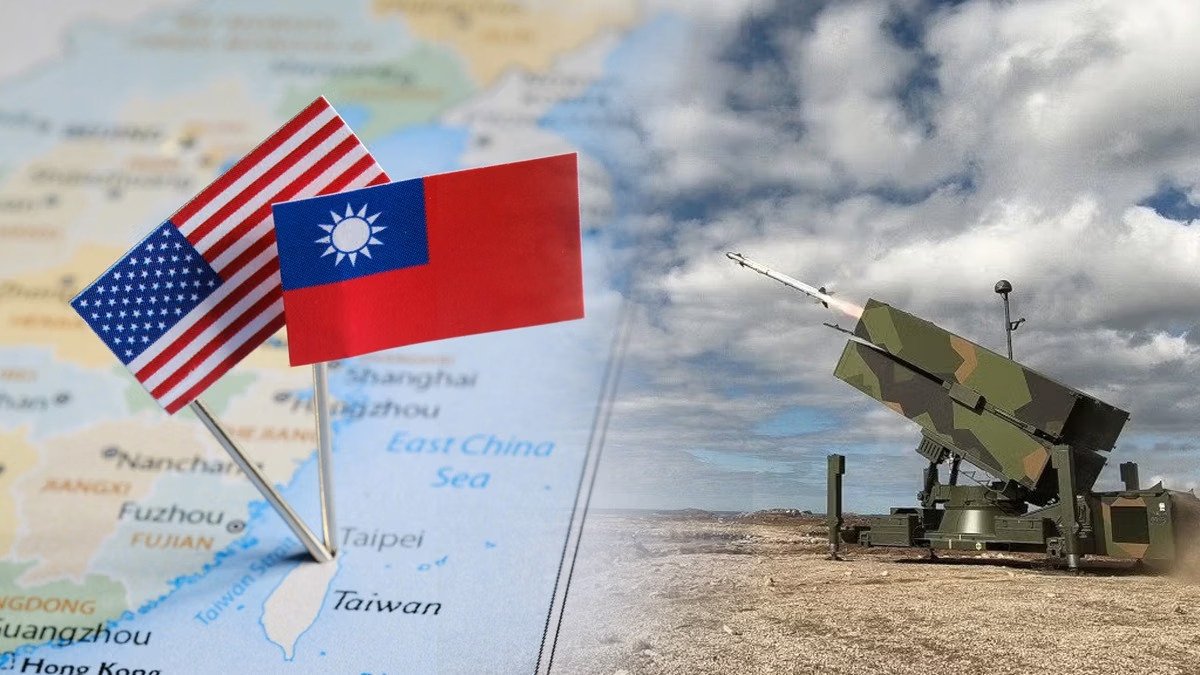
The United States has approved the sale of a nearly $700 million National Advanced Surface-to-Air Missile System (NASAMS) to Taiwan, marking Washington’s second major arms package for Taipei in a week and bringing the total value of recent deals to $1 billion. The move underscores ongoing US efforts to strengthen Taiwan’s defenses amid rising tensions in the region.
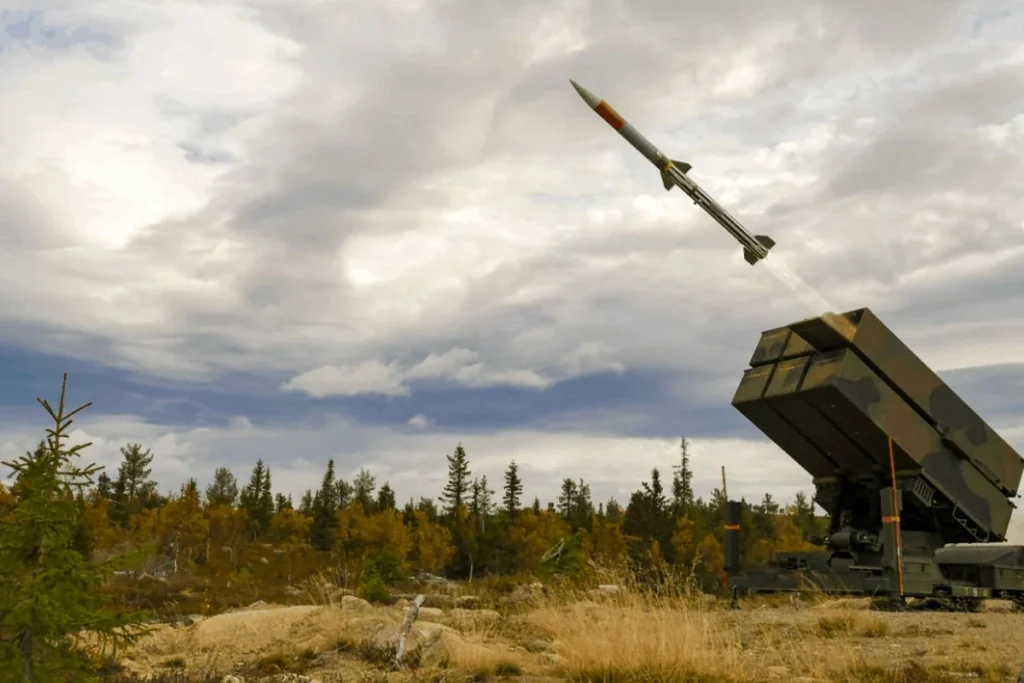
The NASAMS platform—developed by RTX and combat-proven in Ukraine—provides medium-range air defense capabilities that Taiwan has not previously possessed. According to the Pentagon, RTX has been awarded a firm, fixed-price contract to manufacture the systems, with completion expected by February 2031. The Department of Defense confirmed that $698.9 million in Foreign Military Sales funding for Taiwan has been allocated for the purchase.
In the Asia-Pacific region, only Australia and Indonesia currently operate the NASAMS system. The US announced last year that Taiwan would eventually receive three NASAMS batteries as part of a broader $2 billion weapons package.
US Signals Strong Support for Taipei
The NASAMS announcement follows Washington’s approval last Thursday of a separate $330 million sale of aircraft parts to Taiwan—its first such authorization under the current US administration. The decision prompted gratitude from Taipei and sharp criticism from Beijing.
Speaking at an event hosted by the American Chamber of Commerce in Taiwan, Raymond Greene, Washington’s de facto ambassador, reaffirmed US solidarity with the island.
“America’s commitments to Taiwan are rock-solid,” Greene said.
“We are backing these words with actions, especially through expanding defense-industrial cooperation.”
Regional Tensions Continue to Rise
The arms deal comes as political and military tensions escalate in East Asia. Relations between Beijing and Tokyo worsened after Japanese Prime Minister Sanae Takaichi suggested earlier this month that Japan could intervene militarily if Taiwan were attacked.
China’s response has included increased maritime and aerial activity. On Sunday, Chinese coastguard vessels sailed through waters surrounding Japanese-controlled islands in the East China Sea—territory that China also claims. Japan also scrambled fighter jets on Saturday when a Chinese drone flew between Taiwan and Japan’s westernmost island, Yonaguni.
Taiwanese Defense Minister Wellington Koo urged Beijing to avoid coercive measures.
“China should abandon its thinking of using force to resolve things,” he said.
Taiwan Bolsters Its Defense Capabilities
Taiwan continues to strengthen its military preparedness through new weapons systems and indigenous defense programs, including the development of home-built submarines intended to safeguard critical maritime supply routes.
Meanwhile, China conducts near-daily military operations around the island—actions that Taipei characterizes as “grey-zone” tactics designed to probe and wear down Taiwan’s armed forces.
Although the US and Taiwan maintain no formal diplomatic ties, Washington is legally obligated by the Taiwan Relations Act to supply the island with sufficient means for self-defense—a policy that consistently provokes strong objections from Beijing. China views Taiwan as part of its territory and has vowed to pursue “reunification” by force if necessary.
Most nations officially adhere to China’s “One China” policy, though many quietly sustain economic and unofficial diplomatic relations with Taipei.