




In an uncommon but carefully considered decision, NASA announced it will bring astronauts back to Earth from the International Space Station (ISS) earlier than scheduled after a crew member experienced a medical issue. Agency officials emphasized that the move is precautionary and reflects NASA’s long-standing commitment to astronaut health and safety.
The medical concern was identified while the crew was conducting routine operations aboard the ISS. According to NASA, the affected astronaut is currently stable and under continuous monitoring by flight surgeons on the ground. Although the issue is not believed to be life-threatening, NASA determined that further medical evaluation and care would be best handled on Earth rather than in orbit.
A Rare but Necessary Decision
Astronauts aboard the ISS typically remain in space for about six months, following mission plans developed years in advance. While astronauts receive extensive medical training and the station is equipped to handle many health situations, some medical conditions require diagnostic tools and treatment options that simply are not available in microgravity.
NASA officials noted that early returns due to medical issues are extremely rare. When they do occur, they involve close coordination between mission managers, medical experts, international partners, and spacecraft teams to ensure a safe and orderly return.
Impact on Mission Operations
The early return has already affected the crew’s schedule. A planned spacewalk was postponed, and some research activities may be scaled back or reassigned to other crew members remaining aboard the station. NASA stressed that these adjustments are routine under contingency planning and will not compromise the overall safety or long-term operation of the ISS.
The spacecraft designated for the astronauts’ return had already been docked at the station, allowing NASA flexibility in responding quickly to changing circumstances. Mission teams are now finalizing the landing timeline and recovery operations.
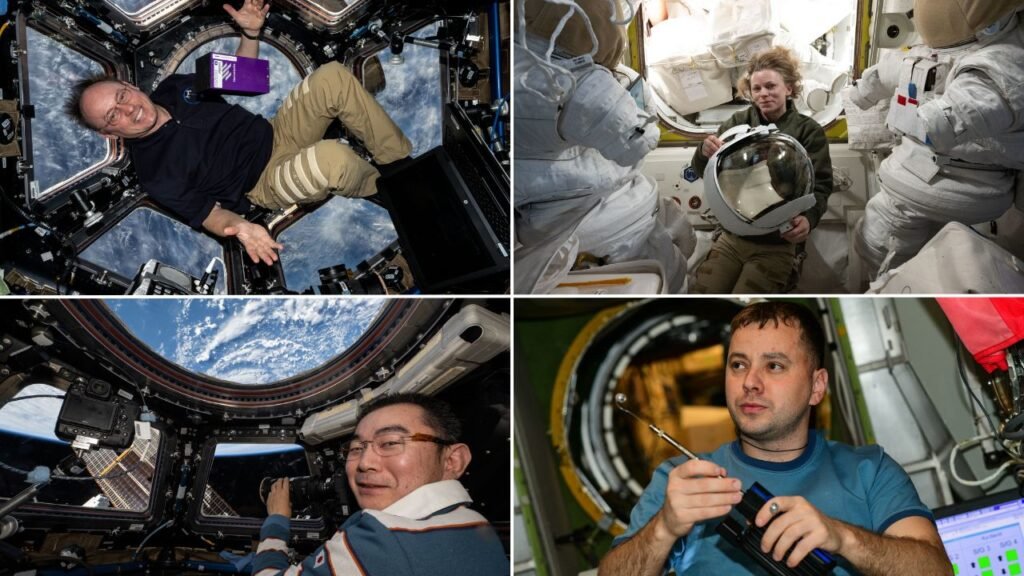
Protecting Astronaut Health in Space
Long-duration spaceflight places unique stress on the human body. Microgravity can affect bone density, muscle mass, cardiovascular health, and the immune system. Astronauts undergo regular medical checks while in orbit, and even subtle changes in health are taken seriously.
“Astronaut health and safety are always our top priorities,” NASA said in a statement. “When a situation arises that would benefit from care on Earth, we act quickly and decisively.”
What Happens Next
Once the astronauts return, the crew member involved will undergo a full medical evaluation. NASA has not released details about the condition, citing medical privacy, and said it would not speculate on the cause.
Meanwhile, NASA and its international partners will continue operating the ISS with the remaining crew, ensuring ongoing scientific research, maintenance, and support for future missions. The agency also plans to review the incident to identify any lessons that could improve medical monitoring and response procedures for future spaceflights.
A Reminder of the Challenges of Human Spaceflight
The decision underscores the complexity of human space exploration and the importance of planning for unexpected events. While space missions are meticulously designed, NASA’s ability to adapt quickly demonstrates the robustness of modern spaceflight systems and safety protocols.
More information is expected to be released as NASA finalizes return plans and completes post-mission medical assessments.